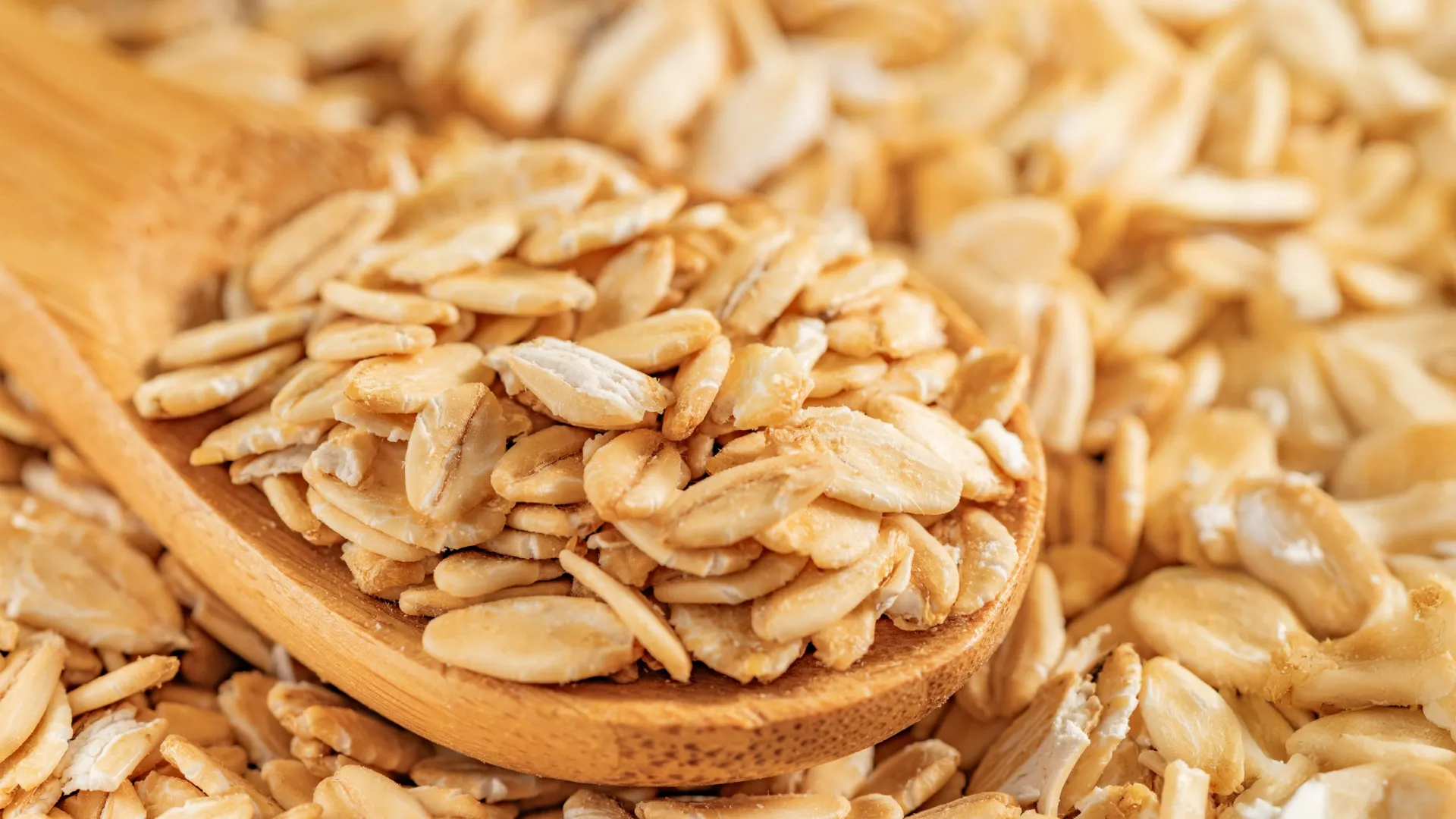
I love oats, they’re the best. You get the cheapest cereal, healthy, no sugar, plenty of protein and it tastes good on top of it.
Bland? Just add literally anything to it. Banana, strawberries, blueberries, protein powder, chocolate chips, cinnamon, honey, savoury olive oil and salt option, raisins, nuts, peanut butter, Greek yoghurt, any other yoghurt, ginger bread, other cookies, other berries. You can probably even make fucking carrots work.
Hate cooking them? Then just don’t, get fine oats and it’s ready to eat as soon as you pour the milk in. Or just microwave the bowl, or wait for them to get soft on their own, boil water and pour it over.
Oats are the goated breakfast and don’t cost shit.
…okay. Okay. I give in. Oatmeal and a banana for breakfast. I’m old now. I hate the passage of time.
My grandpa was super healthy up until 86 or or so. Every day oatmeal and a hard boiled egg. Little bit of cinnamon mixed with milk.
I feel bad that I’m not prepared to try to read and comprehend this entire document.
What I got so far is that people on a diet of oats boiled in water three times a day saw a significant change in cholesterol levels. People who ate it once a day saw potentially beneficial changes to their gut biome but no significant change to cholesterol levels.
I’m not eating water-boiled oatmeal three times a day, but if there is a more palatable message here (see what I did there?), I think it perhaps validates that oats really are good for you.
For two days. The surprising thing about this was that the benefits took two days. It’s not a permanent diet.
Well okay, but how long does it take to go back to where you were if you stop?
What do you do here? Periodically do an oat cleanse? Try to replicate the effects of the oats in a medicine or dietary supplement that can be administered?
In the article, it states after two days of 300g of oatmeal per day + small amounts of fruits/veggies, beneficial effects to cholesterol were still measurable after 6 weeks of participants returning to their normal diet
The study only followed up after 6 weeks, but they noted the group that ate only oats for 2 days still showed positive effects at that time compared to a control group.
Also worth noting that the researchers compared a “2 day oat cleanse” of sorts to a control group of controlled calorie intake, then separately a group who ate oatmeal once a say for 6 weeks compared to a control group that maintained their usual diets. The oatmeal over 6 weeks group stabilized certain metabolic markers but the change wasn’t as drastic as in the 2 day oats only group. Also worth noting that all the subjects had Metabolic Syndrome, so essentially pre-diabetic exhibiting obesity and showing effects from that, so effects on healthy individuals may be different.
To your point about medicine or supplements, the researchers were specifically trying to identify the causal link between oat digestion and cholesterol effects. They posit it has to do with the way the gut biome digests them and chemicals they release. So that could theoretically be put in a supplement form, but the interest is drawn from the fact that oats are generally cheap and widely available. They make for a very good intervention option.
I don’t hate oats by the way!
300 Grams of Oatmeal Per Day
During the intensive phase, participants ate boiled oatmeal three times daily and could only add small amounts of fruit or vegetables. In total, 32 women and men completed the two day oat based intervention. Each person consumed 300 grams of oatmeal per day and cut their usual calorie intake roughly in half. The control group also reduced calories but did not consume oats.
And…
Short Intensive Plan Outperformed Longer Moderate Intake
The cholesterol lowering effects were still visible six weeks after the two day intervention. “A short-term oat-based diet at regular intervals could be a well-tolerated way to keep the cholesterol level within the normal range and prevent diabetes,” says Junior Professor Simon.
However, the benefits were strongest when oats were consumed in high amounts alongside calorie restriction. In a separate six week phase, participants ate 80 grams of oatmeal per day without additional dietary limits. That approach produced only modest changes. “As a next step, it can now be clarified whether an intensive oat-based diet repeated every six weeks actually has a permanently preventative effect,” Simon adds.
Does this include the ones with cinnamon and those little apples in it?
It BETTER or my plan of breakfast goes right out the window!
That’s a lot of fiber. Instant or steel-cut?
Whole oats.