The gist of you comment is valid and points out a major flaw:
miners need to operate at a gain.
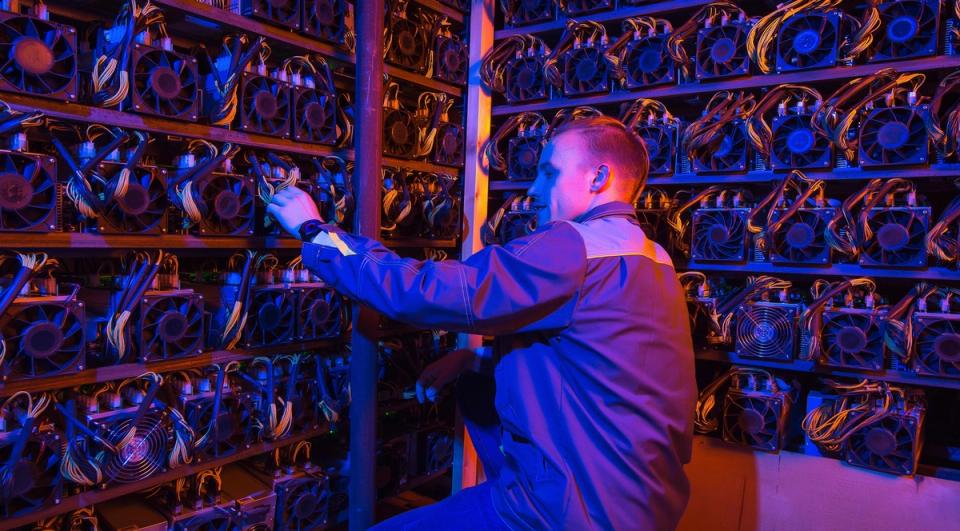
With shrinking amounts of BTC being created by the network for producing blocks (that reward getting halved each 210,000 blocks), that gain is at risk, because it can be doubted whether transaction fees can cover the gap.
With that gain being at risk, the network security is going to be at risk.
Ethereum did the right thing and aligned ETH holders and block producers by switching from proof-of-work to proof-of-stake.
That also reduced the ecological footprint to a tiny fraction of what it was before.

Yes I incorrectly wrote “not automatic” when it should’ve been “not instant”. Thanks for the correction also for correcting the delay.
The gist of my comment is still valid though. miners are operating at a loss because they’re waiting for the difficulty adjustment to happen.
The gist of you comment is valid and points out a major flaw:
miners need to operate at a gain.
With shrinking amounts of BTC being created by the network for producing blocks (that reward getting halved each 210,000 blocks), that gain is at risk, because it can be doubted whether transaction fees can cover the gap.
With that gain being at risk, the network security is going to be at risk.
Ethereum did the right thing and aligned ETH holders and block producers by switching from proof-of-work to proof-of-stake.
That also reduced the ecological footprint to a tiny fraction of what it was before.
I am 100% pro Ethereum for adopting proof of work. Though for me its for ethical/environmental reasons not technical