
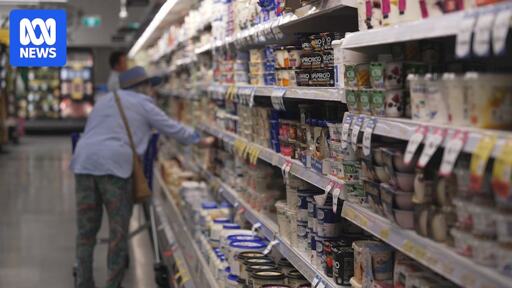
Regional areas will be hit hardest by the price rises, as more fuel is required to transport goods further distances from metropolitan distribution centres.
“The cost of fuel and fertiliser is flowing through the supply chain, and we’re going to see in metro areas probably a 2 or 3 per cent increase across the board,” market analyst and director of Episode 3, Matt Dalgleish, said.
"We’re seeing record prices for diesel, and that’s what most of Australia’s freight runs on.
“In regional areas it could get higher, maybe 10 per cent, depending on how remote the area is and how stretched the supply chain is.”
It’s important to be informed about what is happening so that we can hold our politicians accountable in advance and ask them "What are you going to do about this? How are you going to help the most vulnerable? When are you going to take such measures?
There’s not too much that can be done in the short term. I’d like to see an increase of the welfare rate, but that seems to be a hard sell at the moment.
Any other solutions that apply more generally will likely just make inflation worse. Longer term solutions such as electrification, a more aggressive renewable rollout, and local urea production will be more of a benefit in the long term.
You could rapidly roll out active transport measures, but it’s probably not enough to make a huge dent in overall fuel demand, although it would be better than nothing.
Welfare advocacy organisations are asking for an increase in income support because unemployment is expected to rise as well the cost of just about everything else. We’ve always got money for military weaponry (for Australia’s protection) but not so the people can eat and have a roof over their heads? Feeding and housing the population is the first priority I’d have thought, of any government particularly in a rich country like ours. You may find this article relevant: https://thepoint.com.au/news/260421-welfare-advocates-push-for-income-support-boost-as-global-turmoil-fuels-unemployment-fears
Daily reminder that welfare states save countries money immediately by preventing people from getting sick and becoming unable to work. You just need the country to capture a fraction of the increased profits companies make because they lose fewer people to illness and disability.
At least this would be targeted and help people who actually need help. It feels like we don’t see much of that these days, it’s always just generic handouts and tax cuts for everyone, regardless of their income.
True, although there is a middle ground between informative and necessary reporting and over-reporting to keep readers engaged in a sort of doomscrolling panic loop. The media relies on engagement so during crises like this there’s a strong incentive to deliver it in such a way that the public feels like there is constantly breaking news they need to keep up with, even when there isn’t.