
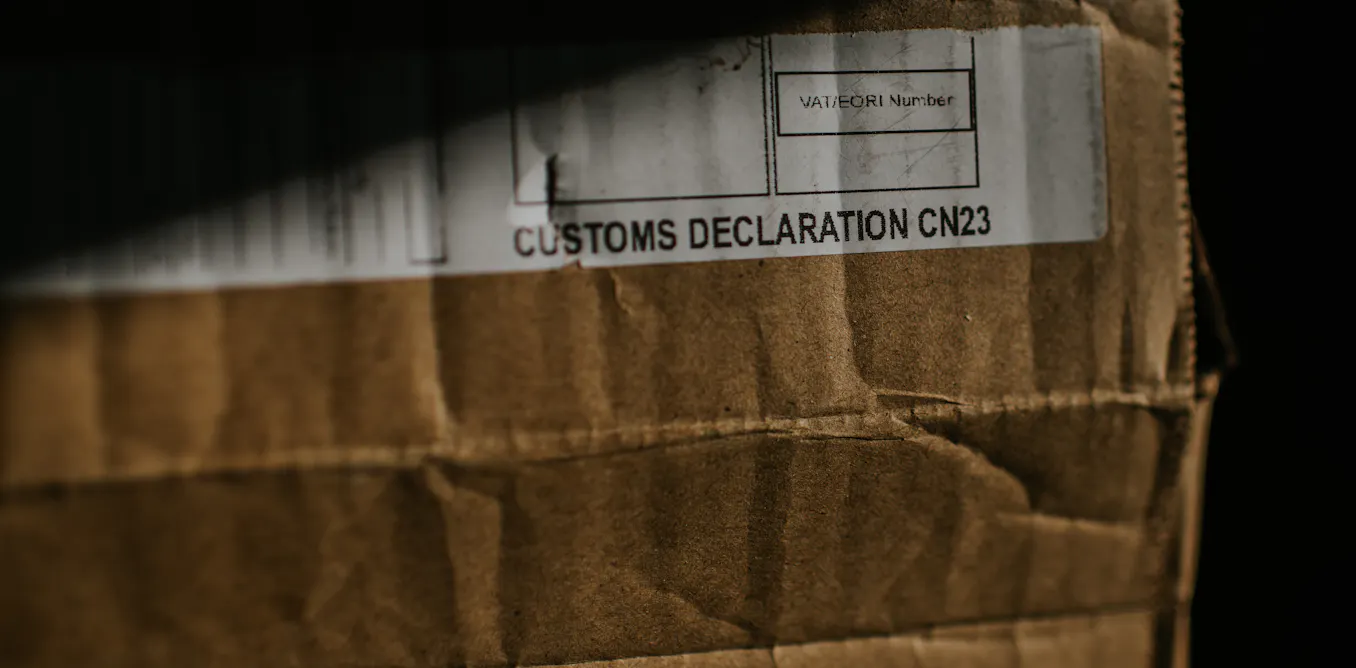
Importing these products is illegal. Possession is also a Commonwealth offence carrying a maximum penalty of 15 years’ imprisonment.
Available figures indicate the scale is significant, but difficult to track consistently. The Department of Home Affairs recorded 103 detections in 2020–21, 88 in 2021–22 and 29 in 2022–23.
An Australian Institute of Criminology review called for more research in the area, but identified plausible risks involved with owning them, including desensitisation, sexual objectification of children, escalation and use in grooming.
The appropriate response is therefore neither to dismiss these objects as harmless fantasy nor to treat possession as automatic proof of future offending. It’s to recognise them as potential risk indicators that may justify investigation.
Absolutely, which is why living out this orientation cannot and must not be up for debate.
But if I assume that our goal as a society is the protection of children, there are only two options for individuals with this orientation (since, as I said, sexual orientations do not appear to be either illnesses or conscious choices… otherwise, 2,000 years of violent persecution would surely have ensured that everything non-heteronormative would have been eradicated by now, to put it bluntly):
The individual can either try to suppress the urge (which probably works more or less well in the case of monks… but as a layperson, I estimate the risk of relapse over a lifetime to be very high when living as part of everyday society) or suitable outlets or coping mechanisms must be found to avoid acting on this inclination.
The latter seems to me to be the more sensible approach, since it (again, in my opinion as a layperson, though I believe this can also be psychologically substantiated) carries a lower risk of relapse. The latter is made significantly easier if the affected individual can seek professional help… which becomes less likely when the topic is treated as taboo and stigmatized.