
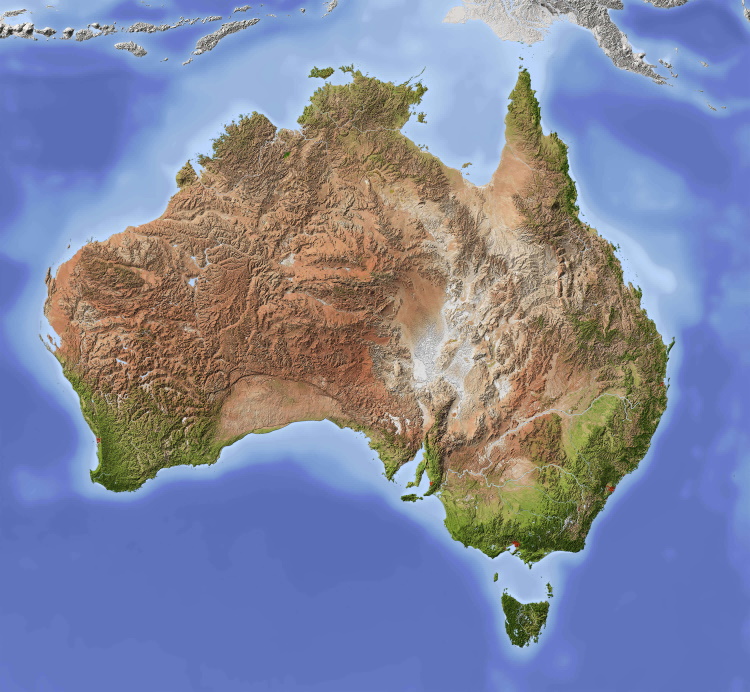
The census by definition is for people WHO LIVE in a country where it’s conducted, but apparently that’s not the case in Australia where they even make it mandatory for non-citizens (tourists) when they are only visitors (who DO NOT live in Australia in the first place), the logic doesn’t make any sense. Like if, a tourist should not be forced to do it since they hold a foreign passport and have no residential address in Australia.
Good question, it’s nuanced but the census isn’t for people WHO LIVE in the country. The best way to describe what the Australian Bureau of Statistics is trying to do is take a ‘statistical picture’ of the nation on that night.
That’s why I’m not a big fan of them extending out the fill in time, that muddies the data somewhat.
Having a quantified idea of what is happening in the country at a given time is incredibly useful because it gives everyone from students to the PM a better understanding of what ‘Australia’ was that given time period, and what it is over time. The more exact measures you can get for those the better targeted things like Medicare, tax, or social care benefits can be.
Example 1. It means a small city doesn’t need to run their own census if they want to know how many families live in a particular suburb to ensure they have enough school places for the kids, they can quickly check those sorts of things on the ABS.
Example 2. People can then also get an idea of the long-term trends. In a wine growing region there is often a large working and very productive backpacker community staffing the restaurants, wineries, and breweries in these places. This wasn’t always the case and may diminish over time again, this is important because economists can then use statistical analysis to assess whether those backpackers were a costly workforce compared to what came before or a highly beneficial workforce for the owners. They can also do comparative studies on wine growing regions with a large backpacker workforce to a small backpacker workforce.
There are all sorts of other uses for the data, for people who live here, and even for people who don’t. The British may want to know, for instance, how many British are moving to Australia, as an indicator of their own countries comparative economic health. Without the transitory people present in Australia at the time of the census some key parts of these populations would be unidentified until they eventually become citizens or residents, which can be over half a decade.