You must log in or # to comment.
*What the animal’s skeleton looks like.
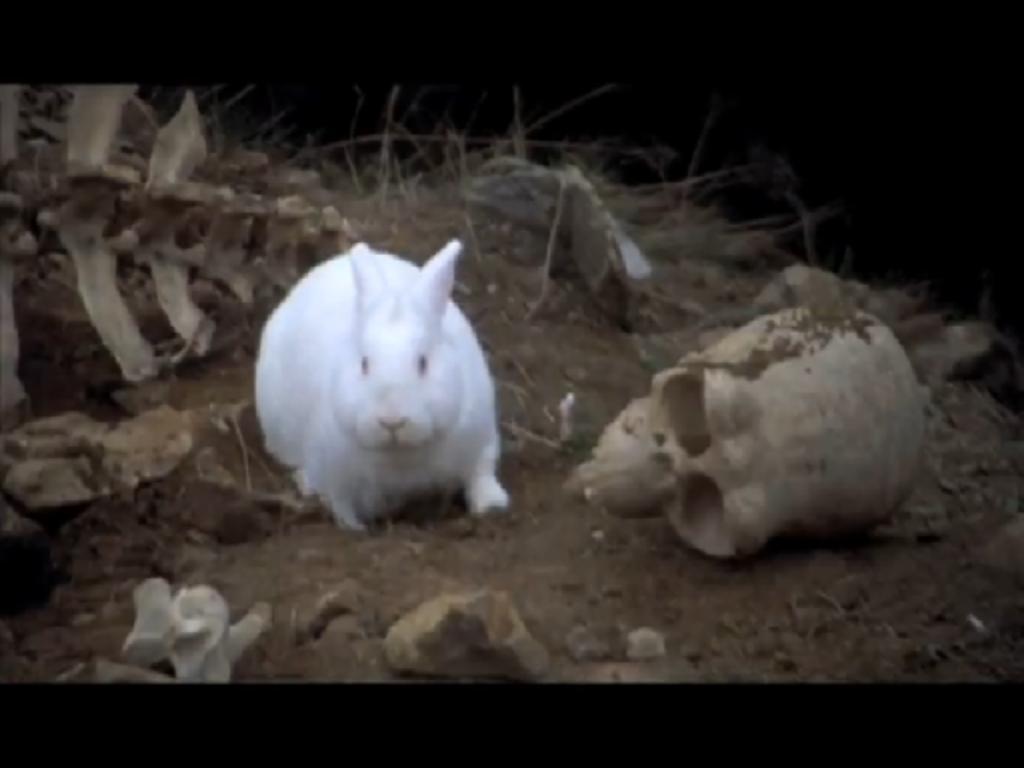
Get the holy hand grenade!
So my take away is that some dinosaurs probably had floppy ears.
New headcannon for sure! 😄
I had a hard time resolving the front legs:

Is that skeleton actually from a rabbit, or is it a hare? There’s not a huge difference, but hares definitely look way more like the drawing (minus the ears) than rabbits do.
Is that skeleton actually from a rabbit, or is it a hare
This would seem to indicate that it is
hares are also larger than rabbits. as thier babies are precocial rather than atricial(other than cottontails), and they are also much faster than rabbits. also hares only give birth to a few babies, vs rabbits which give to large litters.
Fascinating! But I actually already knew all that, and I don’t think it answers my question?
teeth would tell you it’s prey
Look at the bones man!
Teeth will tell you about the animal’s own diet - not whether it’s being preyed upon. Carnivores and omnivores are preyed on as well.
aren’t most obligate carnivores not directly eaten often?
It depends a bit on your scope. If you think of obligate carnivores as typically very large, possibly apex predators, then they might not be preyed on much in the traditional sense. But carnivores also number insects, arachnids, amphibians, reptiles, birds, and lots of smaller mammals like weasels, bats or cats that are themselves prey to other animals.
The point is that being ‘predator’ does not exclude an animal from also being prey. ‘Predator’ and ‘prey’ describe relationships, not mutually exclusive categories.
i get the point you are making, and i concede it
but i was specifically thinking mammal given the context and for which teeth would make it obvious
even the smaller ones, cats in natural habitats come to mind are apex, and i remember learning the avoidance of eating them had to do with parasite avoidance when other food was available
I did not realize weasels were obligate carnivores and bats were a great example as well
And that’s not even getting into the whole fish side of the thing!
I mean, the skeleton looks as scared of the world as the bunny does, and the underfeathered reconstruction also has a vibe of mortal terror
i mean have you seen irl hairless versions of harry animals some really are nightmare fuel.