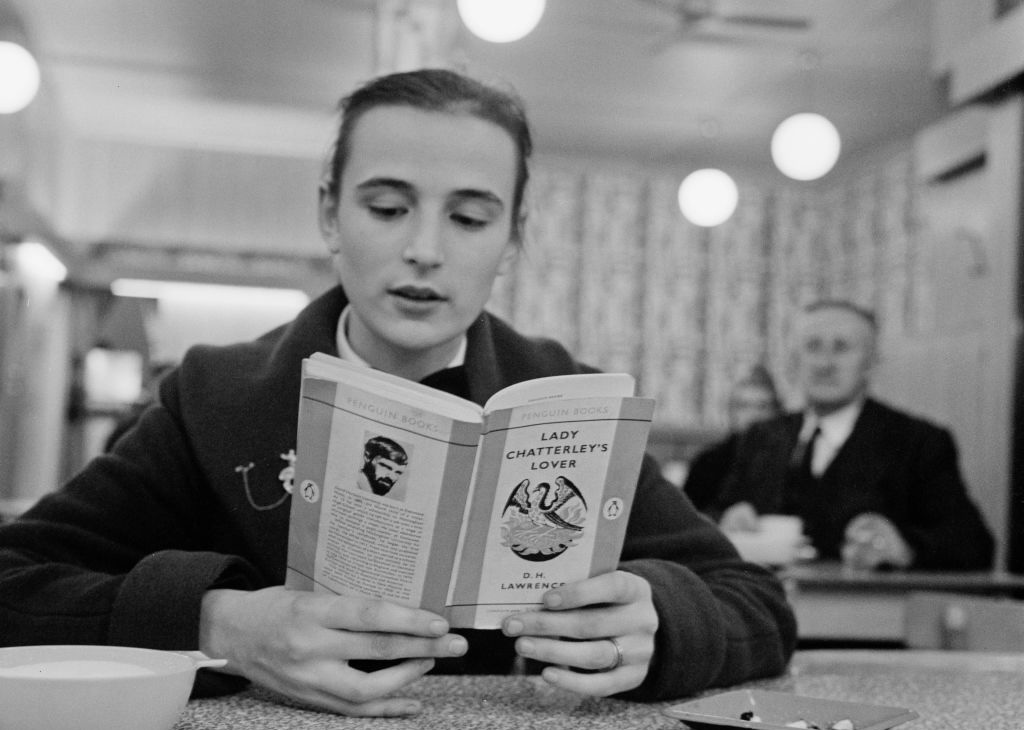
In 1939, the 25-cent paperback made America a nation of readers, delivering thrillers, classics and Pulitzer-winning books. So why did the Big Five publishers just kill the mass market paperback?
They make a lot of great points, though both parts of this story can be true at the same time.
E-books have really occupied a lot of the market paperbacks used to occupy. Hardcover books maintain a niche of being very giftable, more so than paperback.
But the lack of cheap books for sale in everyday places means they’re missing out on the extra-casual readers like me, who maybe pick up a book once or twice a year if I happen to see one that looks interesting and I know I’m going to be somewhere without cell service for a few days.
So while it makes sense that they’ve cut that as demand has softened, it has created a bit of a snowball effect. Fewer people reading means fewer books for sale which means fewer people reading…. meaning they’ve created a feedback loop that will hurt their own business and the country as a whole in the long run.

They make a lot of great points, though both parts of this story can be true at the same time.
E-books have really occupied a lot of the market paperbacks used to occupy. Hardcover books maintain a niche of being very giftable, more so than paperback.
But the lack of cheap books for sale in everyday places means they’re missing out on the extra-casual readers like me, who maybe pick up a book once or twice a year if I happen to see one that looks interesting and I know I’m going to be somewhere without cell service for a few days.
So while it makes sense that they’ve cut that as demand has softened, it has created a bit of a snowball effect. Fewer people reading means fewer books for sale which means fewer people reading…. meaning they’ve created a feedback loop that will hurt their own business and the country as a whole in the long run.