If we want children to learn these things, we should teach them these things directly, instead of relying on science classes. I’m not saying we should get rid of science classes, but the people who are saying these stupid things did actually take science classes in school.
We desperately need to teach classes that are specific. I learned a lot about problem solving from math classes, but I was shocked when I tutored other kids, and they only learned the math, but had no idea how to approach problems. And I don’t mean just word problems, but literally even if you just give them multiple equations and variables.
My tutoring often went like this: “I can’t solve this!” “What information to they give you? What answer do they want? What can you do with the stuff that they’ve given you to get the answer?” And then they get the answer. Then repeat. Literally no math involved in the tutoring for math class.
So, we need required classes, early, like in elementary school, that specifically teach problem solving, critical thinking, how to detect misinformation, and what I’ll call empathy. By “empathy”, I mean the ability to imagine yourself in another person’s shoes so that you can predict why they’re doing what they’re doing. It’s essential for detecting misinformation because you need to trust somebody at some point, so you need to understand how to tell who is more likely to be trustworthy. I also think we should teach children meditation techniques.
So, we need required classes, early, like in elementary school, that specifically teach problem solving, critical thinking, how to detect misinformation, and what I’ll call empathy.
Face it. The federal government and the state governments of a large fraction of the states are diametrically opposed to our desires.
Don’t get me wrong. I think you’re correct about what our goals should be. But calling it an uphill battle to achieve them would be an understatement of epic proportions.
Like it was missing the question mark because it was rhetorical. Like it’s beyond their conception, and as if in absence of evidence (or experience) it’s presumed to be evidence of absence of possibility or means to do so.
Looking forward to this year, and more people realising more of how much has been stolen from us.
[ 1 Because science is just another branch of philosophy. Natural philosophy. ]
You simply apply your problem solving skills as an adult. You want students to understand how to do these things. Well, how do you do these things? Then teach the students the method that you use. That’s the simplest version. But there’s been a lot of research about how to teach things, so following the best research is the better version.
I think I gave a small example of teaching problem solving in my 3rd paragraph where I described tutoring math. But you can use any problems instead of simply math problems.
Really, I say this as a very introverted person with a strong STEM background, I think the most important skills children learn from school are their interpersonal skills, but we rarely teach them directly. So, you can work through typical problems in class, like for problem solving, say, you want to use the gaming console, but your sibling is using it. What can you do?
Similarly, how do YOU know when something is misinformation? Just teach the children to take the same steps you do. “I doubt this information because based on these previous incidents, I’ve seen that this person has a reason to lie about this.” Or, “If I think about it, there is somebody who is profiting from people acting on this information, and so I that makes me dubious about this.”
How do you know when a conspiracy theory is very unlikely? The more important it is and the more people who must participate in it, the less likely the theory is to be true. That’s why you can write off flat earth theories almost instantly with very little knowledge of science.
You can teach critical thinking via debate class, for example, but I think there are some other methods, too. Critical thinking is probably the hardest to imagine a way to teach.
How do you know when a conspiracy theory is very unlikely? The more important it is and the more people who must participate in it, the less likely the theory is to be true. That’s why you can write off flat earth theories almost instantly with very little knowledge of science.
For a start, probably more sound footing not to start with a presumption presented in a pejorative, to be truly open minded and enquiring, seeking the truth.
The flat earth stuff’s fascinating…
Bear with me. LOL.
There are several allusions being masked by the dumb litteral.
And I don’t mean the under-the-fundament or matrix simulation stuff.
For one,
Maps.
For another, arguably even more intriguing,
Legal fiction. (And all bureaucracy and its reductivism (~ see, not just “flat” because it (once was) on paper)).
“The flat earth”, being a term used to refer to these.
But, if all you ever hear about is the dumb literal stuff, and presume to know, and believe your beliefs, unwittingly being naive realist, then you never get to the deeper stuff.
Non-belief ftw.
It helps you look deeper, beyond the shallows.
“It is the mark of an educated mind, to be able to entertain an idea without necessarily accepting nor rejecting it” – … Who said that?
Far fewer babies get flung out with the bathwater, with this approach.
Then also, it’s easier to see more of the lies within lies, and the lies so vast that not even their inverse are true, and can easier cease identifying with any position on any matter, and watch, unscathed, as strawmen are felled all around you.
we should teach them these things directly, instead of relying on science classes
Ok, so by “these things” you mean logic, argument analysis, media literacy, critical thinking, etc.
Yes, I had classes like that, and I think they’re much more important than science and math classes. You can learn science and math on your own from YouTube videos, but you need the media literacy to know which YouTube videos you can trust.
I hear children in France are taught philosophy from around age 5 or something.
Imagine that…
Starting education with a firm footing in epistemology. Learning the ability to discern the difference between what’s merely a valid argument, and a sound argument. Learning the ability to discern what’s true and what’s not.
Now contrast that to what’s happening in various other places (especially you-know-where)… Where it’s pure indoctrination, that they do not want you to have the ability to discern truth from lies… Because they’re peddling almost nothing but lies.


If we want children to learn these things, we should teach them these things directly, instead of relying on science classes. I’m not saying we should get rid of science classes, but the people who are saying these stupid things did actually take science classes in school.
We desperately need to teach classes that are specific. I learned a lot about problem solving from math classes, but I was shocked when I tutored other kids, and they only learned the math, but had no idea how to approach problems. And I don’t mean just word problems, but literally even if you just give them multiple equations and variables.
My tutoring often went like this: “I can’t solve this!” “What information to they give you? What answer do they want? What can you do with the stuff that they’ve given you to get the answer?” And then they get the answer. Then repeat. Literally no math involved in the tutoring for math class.
So, we need required classes, early, like in elementary school, that specifically teach problem solving, critical thinking, how to detect misinformation, and what I’ll call empathy. By “empathy”, I mean the ability to imagine yourself in another person’s shoes so that you can predict why they’re doing what they’re doing. It’s essential for detecting misinformation because you need to trust somebody at some point, so you need to understand how to tell who is more likely to be trustworthy. I also think we should teach children meditation techniques.
Good luck. The 2012 Texas GOP platform specifically opposed the teaching of critical thinking skills. Needless to say, the entire GOP feels the same way to this date. Also, empathy is now considered a weakness or moral failing in those circles.
Face it. The federal government and the state governments of a large fraction of the states are diametrically opposed to our desires.
Don’t get me wrong. I think you’re correct about what our goals should be. But calling it an uphill battle to achieve them would be an understatement of epic proportions.
Edit: 2012, not 2021
It is very much intentional in a lot of places to keep the status quo.
“That’s impossible!”
“No. It’s necessary.”
– Interstellar.
Otherwise… doomed.
But how do you teach those skills directly
Science classes
Okay, but what are electrolytes?
What plants crave…
And [other1] philosophy, especially epistemology.
… And it’s quite telling and daunting that
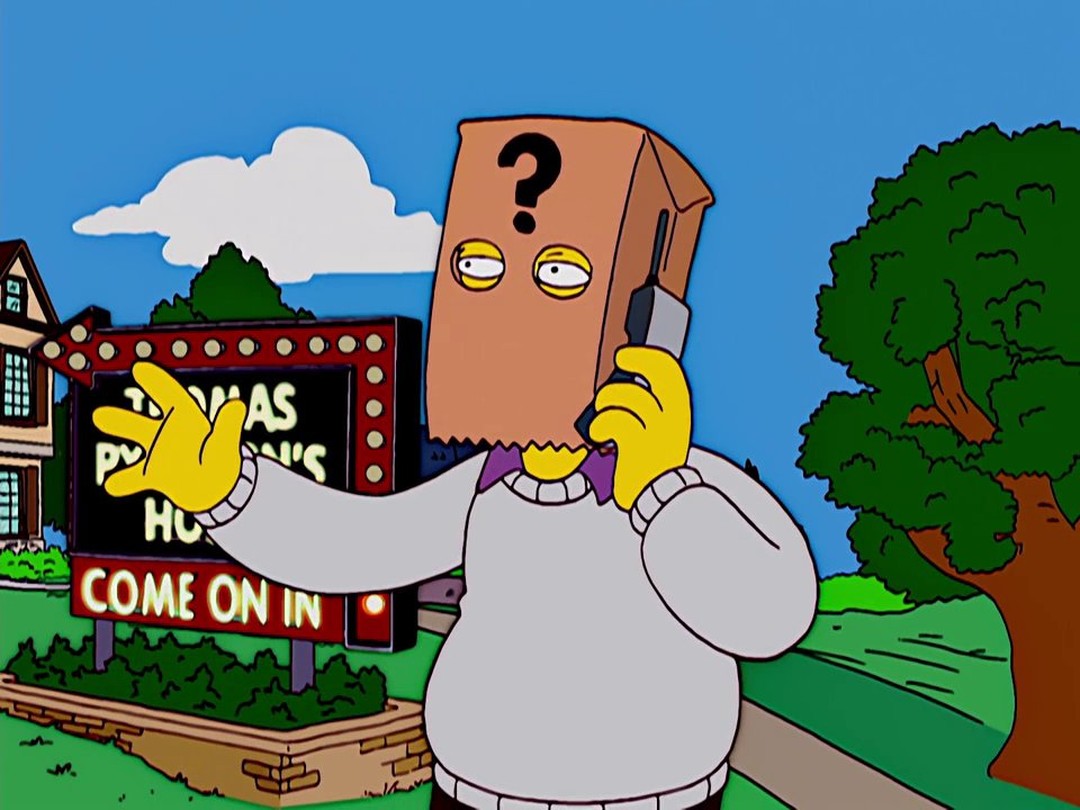
was asked.
Like it was missing the question mark because it was rhetorical. Like it’s beyond their conception, and as if in absence of evidence (or experience) it’s presumed to be evidence of absence of possibility or means to do so.
Looking forward to this year, and more people realising more of how much has been stolen from us.
[ 1 Because science is just another branch of philosophy. Natural philosophy. ]
You simply apply your problem solving skills as an adult. You want students to understand how to do these things. Well, how do you do these things? Then teach the students the method that you use. That’s the simplest version. But there’s been a lot of research about how to teach things, so following the best research is the better version.
I think I gave a small example of teaching problem solving in my 3rd paragraph where I described tutoring math. But you can use any problems instead of simply math problems.
Really, I say this as a very introverted person with a strong STEM background, I think the most important skills children learn from school are their interpersonal skills, but we rarely teach them directly. So, you can work through typical problems in class, like for problem solving, say, you want to use the gaming console, but your sibling is using it. What can you do?
Similarly, how do YOU know when something is misinformation? Just teach the children to take the same steps you do. “I doubt this information because based on these previous incidents, I’ve seen that this person has a reason to lie about this.” Or, “If I think about it, there is somebody who is profiting from people acting on this information, and so I that makes me dubious about this.”
How do you know when a conspiracy theory is very unlikely? The more important it is and the more people who must participate in it, the less likely the theory is to be true. That’s why you can write off flat earth theories almost instantly with very little knowledge of science.
You can teach critical thinking via debate class, for example, but I think there are some other methods, too. Critical thinking is probably the hardest to imagine a way to teach.
Imagine if we learned the spirit of egalitarian pedagogy in school, instead of the many toxic social-domination/social-survival lessons learned.
For a start, probably more sound footing not to start with a presumption presented in a pejorative, to be truly open minded and enquiring, seeking the truth.
The flat earth stuff’s fascinating…
Bear with me. LOL.
There are several allusions being masked by the dumb litteral.
And I don’t mean the under-the-fundament or matrix simulation stuff.
For one,
Maps.
For another, arguably even more intriguing,
Legal fiction. (And all bureaucracy and its reductivism (~ see, not just “flat” because it (once was) on paper)).
“The flat earth”, being a term used to refer to these.
But, if all you ever hear about is the dumb literal stuff, and presume to know, and believe your beliefs, unwittingly being naive realist, then you never get to the deeper stuff.
Non-belief ftw.
It helps you look deeper, beyond the shallows.
“It is the mark of an educated mind, to be able to entertain an idea without necessarily accepting nor rejecting it” – … Who said that?
Far fewer babies get flung out with the bathwater, with this approach.
Then also, it’s easier to see more of the lies within lies, and the lies so vast that not even their inverse are true, and can easier cease identifying with any position on any matter, and watch, unscathed, as strawmen are felled all around you.
Art! Where logic fails to motivate, artistic expression can lead to emotional understanding
deleted by creator
Ok, so by “these things” you mean logic, argument analysis, media literacy, critical thinking, etc.
Yes, I had classes like that, and I think they’re much more important than science and math classes. You can learn science and math on your own from YouTube videos, but you need the media literacy to know which YouTube videos you can trust.
I hear children in France are taught philosophy from around age 5 or something.
Imagine that…
Starting education with a firm footing in epistemology. Learning the ability to discern the difference between what’s merely a valid argument, and a sound argument. Learning the ability to discern what’s true and what’s not.
Now contrast that to what’s happening in various other places (especially you-know-where)… Where it’s pure indoctrination, that they do not want you to have the ability to discern truth from lies… Because they’re peddling almost nothing but lies.