None of this represents justice. Until the court is able to expel all members incapable of ruling in defiance of their appointees’ party, every hearing and verdict is a charade.
In the 1950s, justices appointed by the two parties appear similar in their propensity to
cast pro-rich votes. Over the sample period (1953 - 2026), we estimate a steady increase in polarization, culminating in an implied party gap of 47 percentage points by 2022. The magnitude of the gap suggests the usefulness of an economic metric for prediction relative to ideologies such as originalism or textualism.


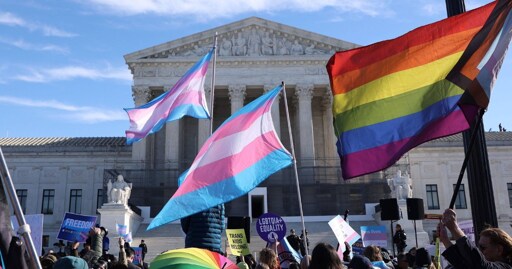
None of this represents justice. Until the court is able to expel all members incapable of ruling in defiance of their appointees’ party, every hearing and verdict is a charade.
Also consider the following study that examines Supreme Court rulings as a matter of rich vs poor: