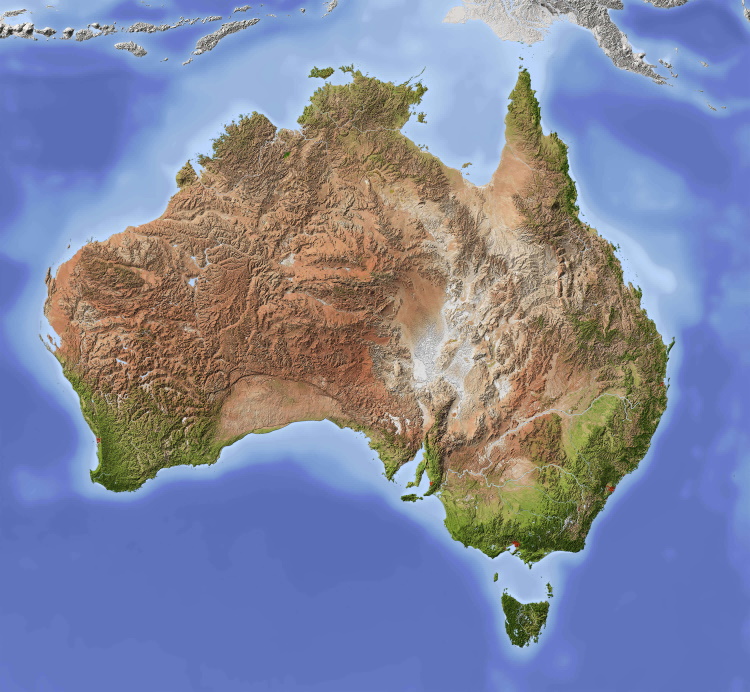
Most small rural towns in Western Australia have a Co-op store.

I’m a bit sketchy on the details but my understanding is that they’re not-for-profit’s, they charge a mark up on the things they sell, but really just enough to pay wages for employees. Any left over money is distributed to the people who buy things.

Why do these only exist in small towns and why aren’t they a thing in larger towns and cities?

It would be amazing to only pay cost plus wages for your groceries.

  • Norah (pup/it/she)@lemmy.blahaj.zone
    link
    fedilink
    English
    arrow-up
    0
    ·
    7 months ago

    If I had to guess, part of it would be that many staple groceries are actually sold below cost by the majors as loss leaders to get people in the doors. They can also force suppliers, with their larger buying power, to sell them things for cheaper. A good example of all this is milk.

    • Phen@lemmy.eco.br
      link
      fedilink
      English
      arrow-up
      0
      ·
      7 months ago

      Not necessarily selling below cost. They can save money in all sorts of ways:

      • charging brands to put their products in the best shelves
      • fridges and shelves with ads and product names (often provided for free by the brands)
      • bigger sales volume reduce cost of storage, reduce amount of expired products and as you said, also guarantee a better price when acquiring the goods.
      • they have much more data on what sells at what price
      • they know very well what kind of products people will check the price for and which ones they’ll just buy in whatever store they are already at (so they put a lower price on product X to get people in the store and then a higher price on product Y to cover for it)
      • they own multiple store brands, with different price ranges, so they can make one store generate profit for both of them similarly to the previous point.
      • they do all sorts of sketchy stuff to get tax breaks, insurance claims and other stuff that may have give them some money back
      • they may sometimes move products between stores to sell everything that might be expiring soon
      • they have their own product brands that they can save money on
      • in some places they may re-package stuff to artificially extend their shelf life.
      • probably a lot more stuff I never even considered.
      • trolololol@lemmy.world
        link
        fedilink
        English
        arrow-up
        1
        ·
        2 months ago

        The theory is good but in practice we know it’s the greed that drives the prices. Just look at what the big ones charge compared to local grocer with less middle men.