Even with Windows
- 2 Posts
- 70 Comments
Joined 2 years ago
Cake day: December 20th, 2023
You are not logged in. If you use a Fediverse account that is able to follow users, you can follow this user.

 241·20 days ago
Afaik, you can set it up not to have any image, or have any other one.
We’re unlikely to see the grand price fall in the coming year. Can get a bit cheaper, though.
 61·1 month ago
Seems like Americans also choose cars by this principle
The expenses are mostly upfront though. I’ve spent like $400 on a relatively fancy NAS and two 3TB WD Red CMR drives five years ago, and since then, there was that.
Of course, depending on your use case, there could be extra expenses as well, some of them recurring:
- Bigger drives
- Backup storage (I already had a place I could back up to)
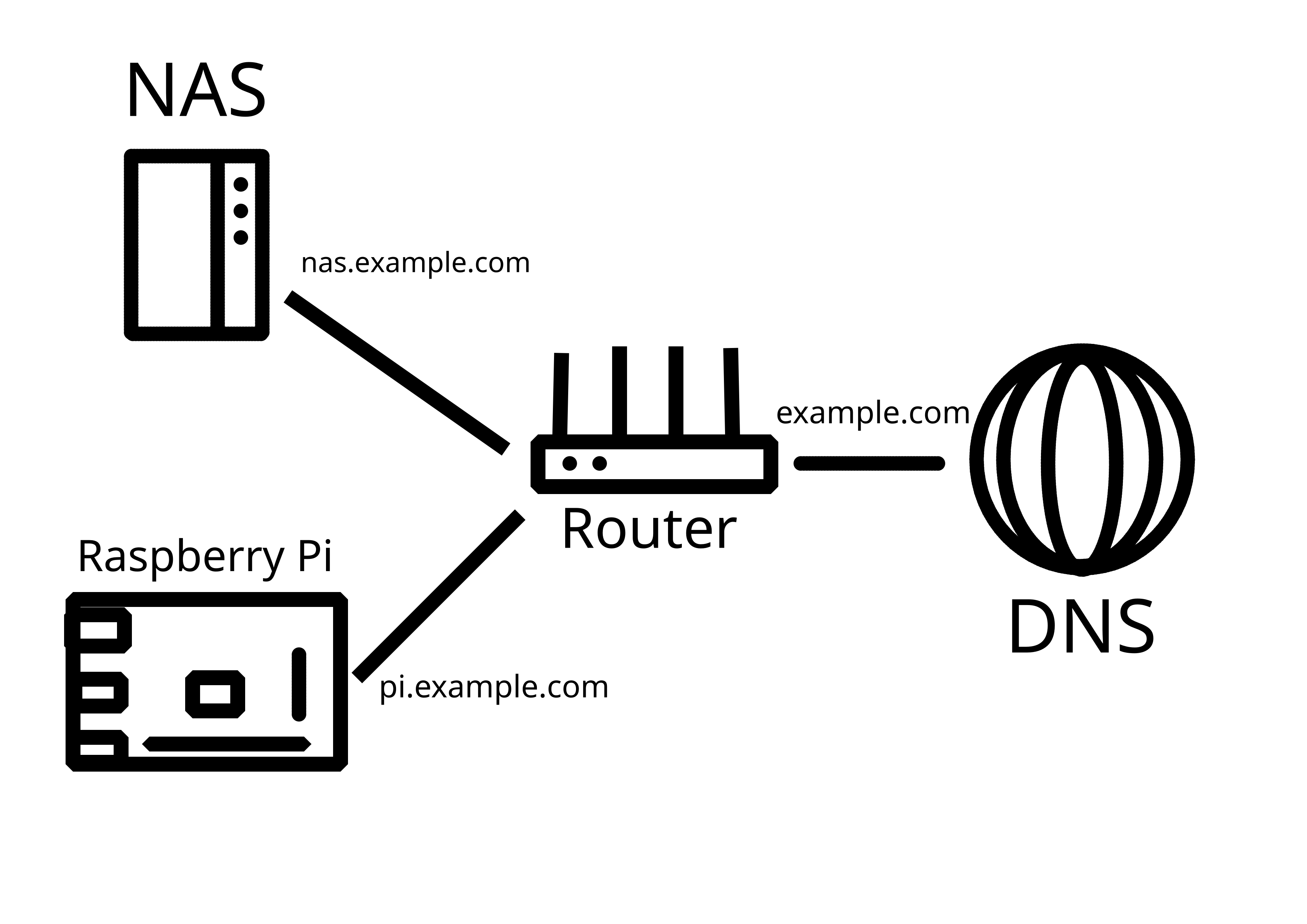
- Domain name and DNS records (if you expose it to the public Web with a URL; you can otherwise just use a VPN tunnel to access NAS from outside the home network, which is free unless you do anything fancy)
- Some kind of paid software (if you don’t enjoy the perfectly good collection of open-source apps)
- Etc.
Now, for the streaming alternative:
- Netflix Standard: $18/mo
- Spotify: $12/mo
- Total: $30/mo, or $360/yr. Just these two services alone.
Your NAS system will pay off in a little over a year (maybe two years if you go all in with huge drives, fancy NAS configs, extra expenses here and there), and it’s smooth sailing from there.
My unit works for 5 years already with no maintenance, is still fully supported by the manufacturer, and I don’t expect to replace it in a few more years.
Self-hosting allows you to have all your files on all your devices, like many have used to with the streaming services. Also, some smart TVs specifically require to connect to some server to grab movies from.
If you don’t need any of that, regular hard drive will suit you best.
 1·2 months ago
deleted by creator
It essentially is multiple OSes, one host and plethora of separate virtual machines that only communicate what they were designed to communicate.
This way pretty much nothing can get access to userspace.
When I first tried it out in a VM, it was just a pinch of curiosity. Some people argue for Linux, so, maybe there’s some merit to that? And, unlike MacOS, you can install it anywhere without all the hackery.
When I actually tried it (my first one was Manjaro KDE, and that’s what I stuck with for my first 1,5 years later when I decided to go for a real install), I was amazed at how smooth and frictionless everything is.
The system is blazing fast, even on a limited VM, there’s no bloat anywhere, no ads, no design choices to trick you into doing something you don’t want to. The interface is way more ergonomic and out of the way at the same time. Seriously, Microsoft, do learn from KDE, pretty please.
So, when I moved to a new home, I decided that my virtual home needs an upgrade as well. I installed Linux alongside Windows (on two different physical drives), and ran it as dual-boot ever since. Not that I address Windows that much (normally about once in two to three months), but it’s handy to keep around.
Later, I went into some distro-hopping and also got a laptop, which has become my testing grounds. After trying various options, namely Mint, Arch/EndeavourOS, Debian, Fedora, and OpenSUSE, I gravitated towards the latter, and I use it as my regular daily driver on both my desktop (Tumbleweed) and laptop (Slowroll). I love how it manages to keep the system both up-to-date and extremely stable, and has everything set up just right (except KDE defaults, what the hell is wrong with SUSE folks on that end? Luckily, it takes 5 minutes to change). So, there it is!
Heard of that claim before, but didn’t find studies to back it up, so didn’t include it here. Won’t be surprised if it is true, though
Damn I use the “obsessive compulsive” scheme and I really do have OCD
How do you know?!
TL;DR The most prominent correlation is between pedophilia and CSA victimhood. Survivors are more likely to develop pedophilic tendencies themselves, though most still don’t.
Absolutely. Bring justice to chomos!
There’s actually more to it!
Popular culture tends to equate the terms “pedophile” and “child molester”, even though most pedophiles never sexually abuse any children, and not all child molesters are driven by pedophilia.
By spreading the hate for all pedophiles, not only do we spread hate for people that never chose to be like that, we also contribute to their social isolation and inability to gain professional help, while at the same time reinforcing the “pedophile = predator” pattern.
Therapy for pedophilia is available, and it works. We need nonjudgmental ways to direct such people to get help, not panic and outcry.
Unfortunately, no, we can’t. Pedophilia appears fairly randomly, and there are many factors of risk, of which genetics has not been indicated.
The good news is, pedophile does not equal child molester! Most pedophiles never abuse children, and by expanding anonymous therapy options, we can ensure even less of them cross the line.
Pop!_OS is quite an unorthodox choice for a server OS, ain’t it? I’m genuinely interested in why you chose it specifically over, say, Debian or Ubuntu.
I ran Debian and derivatives (Ubuntu, Mint), Arch and derivatives (EndeavourOS, Manjaro), Fedora and OpenSUSE, although each one on a very “user” level; I’m no IT guy, I just value what Linux gives me and am forced to learn to use it well.
Each has their merits. Currently, I go with OpenSUSE because it gives reasonable stability while not going ancient. When set up right, you can rely on it to keep doing things the same way, without needing to intervene manually. It also features correctly set snapper by default, which ensures I, as a generally non-technical user, won’t shoot myself in the foot.
Ideally, I would go with OpenSUSE Slowroll, as I love the concept, but it is still experimental and I don’t want both my machines to rely on beta builds. Still, my laptop has it installed and it works like a charm. The idea of “nearly bleeding-edge, but behind the most adventurous users” is why I chose Manjaro as my first distribution back in the day. Sadly, it is poorly managed, and issues arising with AUR only make things worse. OpenSUSE Slowroll feels to me like Manjaro done right.
As per other distributions I tried:
- Debian gets very ancient very quickly (and even if you rely on flatpaks, system packages are, like, OLD)
- Ubuntu is poorly managed and filled with controversies, I don’t feel like I own my computer
- Mint is nearly a single distribution that doesn’t officially ship with KDE (likely because most of its userbase would ditch Cinnamon immediately, huh) and has caused issues on my machines specifically
- Arch/EndeavourOS is “move fast and break things”, and things DO break unless you manually intervene on numerous occasions based on whatever forums tell you. Also, on all Arch-based systems, I face insane lags and RAM hogging when moving large files. I don’t know why.
- Manjaro, as I said, is well-intentioned, but poorly executed. It breaks from so many things, which makes it lose its novice appeal. Still, it’s cozy and not scary to enter, so this is where I started, and then learning to fight the bugs taught me a lot about Linux
- Fedora needs some work out of the box, but is generally stable and nice. However, the community is too fast to make breaking decisions (like when they ditched X11, which broke my gf’s work because her tools don’t work with Wayland, and she went with Fedora). Also, I’m not thrilled by its association with Red Hat, which turns increasingly…Canonical.
So, OpenSUSE it is. I never knew I would end up here, but here I am. Slowroll on my laptop for the last half a year or so convinced me to ditch EndeavourOS on my desktop and go OpenSUSE as well. Up to a rough start, but hoping it will go well after that.
Nah, YaST is still a piece of crap imo, both antique and impractical for most purposes. They should either make it modern and user-friendly, or phase it out.
That said, it kinda helped me to locate the correct system package this time.
In any case, OpenSUSE Slowroll is already my daily driver on laptop, which doesn’t have an NVidia GPU, and it’s part of the reason why I decided to give it a spin on desktop. At the end of the day, the issue got resolved, and now I can keep it, hopefully, in here too.
It worked!
Thank you a lot. Now it works properly, and inxi outputs nvidia driver.
Marking as solved.
With many distributions, it’s plug&play now, but some still make trouble out of it.
In the case of SUSE, this seems to stem from heavy open-source advocacy and EU laws coming on top of it, which is respectable, but adds to the complexity of solving issues here and there.
Well, since intelligence is artificial, why not demand?