
PugJesus
History Major. Cripple. Vaguely Left-Wing. In pain and constantly irritable.
- 9 Posts
- 30 Comments
Joined 1 year ago
Cake day: March 24th, 2025
You are not logged in. If you use a Fediverse account that is able to follow users, you can follow this user.
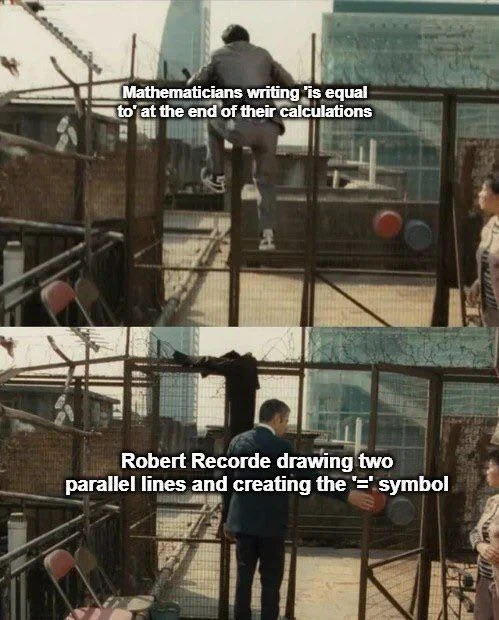
The furries are taking over
@rickyrigatoni@retrolemmy.com your people

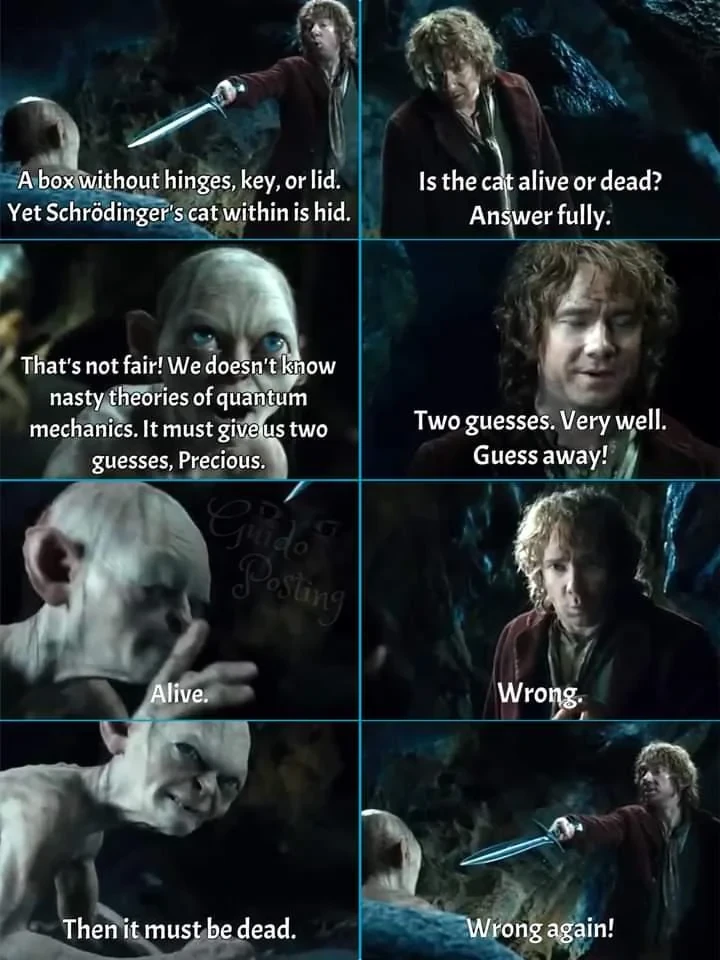
Luckily, Bilbo remembered to add “Answer fully”
For most of the shuttle, yes, but the removal of the paint from the tank specifically was because the tank had a foam coating that was not actually meaningfully protected by the paint.
Found the Kerbal Space Program player?
Back when NASA was flinging things into space for the first time, the tolerances that were even possible were extremely tight. Every pound mattered (every pound still matters, but because we have other things to do once we get to space nowadays, plus every pound is expensive).
600 pounds of white paint for the fuel tank was considered unnecessary, once the engineering team figured that it didn’t actually protect the special foam covering of the fuel tank anyway. Thus the distinctive orange color!

 194·2 months ago
Yeah, unfortunately, nuclear power should have been heavily invested in about… 50 years ago. The “The best time was yesterday, the second-best time is now” line doesn’t apply with advancements in other energy sources and the sheer time it takes to build and get a nuclear plant operational. The best time was yesterday - now is perhaps the worst time.
Still, it is always good to push back on anti-nuclear sentiment. Every nuclear plant kept running is a massive amount of fossil fuels removed from power generation. I remember when Merkel closed a ton of nuclear plants in Germany for dogshit PR reasons, handing power back to fossil fuel suppliers.
Same, but I also have only really discussed moon landing lunacy with other Americans. It may be that there’s a different demographic attracted to the conspiracy theory outside of the USA.
Yep, the article mentions as much. You’d have to trust public access to NASA telescopes, which no self-respecting conspiracy theorist would, of course.
Explanation: During the Cold War, the USA and USSR competed in many areas to ‘prove’ whose system was superior. One such area was the so-called “Space Race”, wherein both sides competed for prestigious ‘first achievements’ in space. The USSR put up the first satellites and people into space, but the USA was the first to land people on the moon.
… for some reason, an enduring minority in the US has continued to believe that it was a ‘hoax’ and ‘faked’, for gods only know what reason. The USSR, by contrast, was watching the whole affair very closely - once it was apparent that the mission was a success, genuine congratulations were extended, and samples of moon rocks were shared with USSR when the mission touched down. After all, the competition was about the prestige - science knows no borders*!
*unless it has some military application, at which point it becomes classified

Big Darwin mood
oraptrer

Original meme maker probably had autocorrect on.
I considered that part of having a business agent on hand to make those deals and connections, but yes.
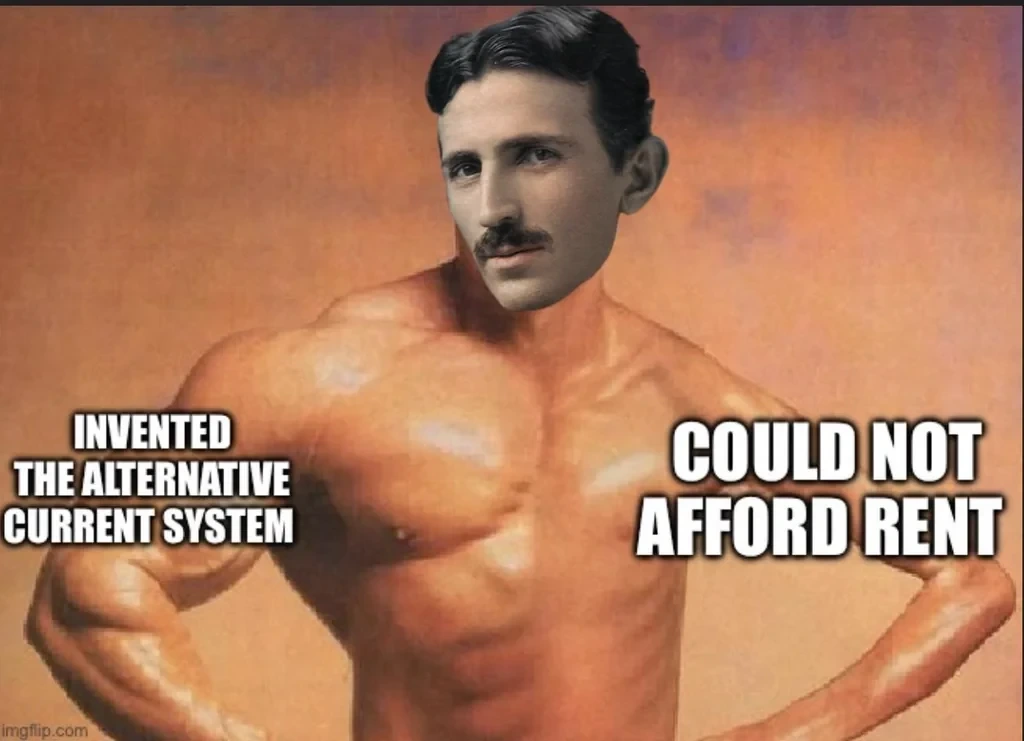
Explanation: Nikola Tesla was a prolific and wildly influential inventor of the early 20th century AD. He also was in constant dire financial straits despite not having any major expensive vices (other than inventing), because, unlike his contemporary Thomas Edison, Tesla was not adept at maneuvering business deals (and certainly not with the cutthroat ruthlessness that Edison displayed - several times at Tesla’s expense).
Capitalism is better than feudalism because it rewards a wider range of intellectual ability and success than feudalism does… but that range still does not include innovation. You wanna be paid for your innovation in a capitalist system? Better have a lawyer and a business agent on hand as soon as you get out of the patent office. :/
Wage labor, usually.
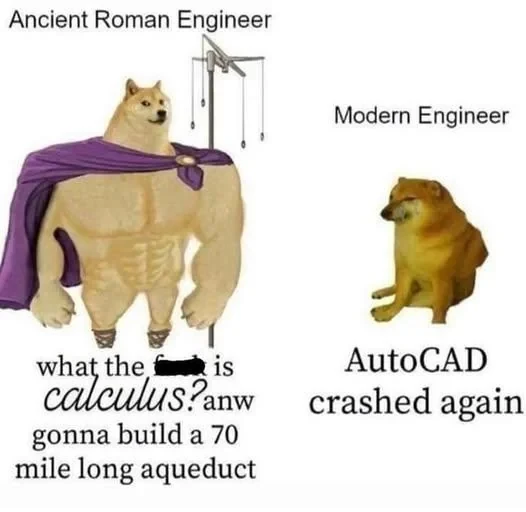
Despite the widespread use of slave labor in Roman society, unskilled slaves were overwhelmingly used for tasks that were either considered ‘demeaning’ (like domestic servants), did not require any real precision (like mill grinding and monocrop farm labor) or needed a constant application of labor (like mines). The Romans recognized that people work better when offered carrots rather than sticks - some slave who only barely cares if he lives or dies isn’t going to put much effort into aligning the brick with the mortar properly unless you watch him like a hawk - which is more labor you have to put in. Manual labor for construction is not a task that requires a doctorate, but it is a task where you have to do it right the first time, or you waste everyone’s labor and effort.
Construction, furthermore, is only intermittent work in most places. If you own a bunch of slaves, you don’t stop paying for their food and shelter when they aren’t working - if you want them to be profitable, you’ll have to find other work for them to do the rest of the year. And at that point, it’s probably not less profitable to just have them do that year-round instead. You could, potentially, have your slaves as a traveling construction crew, but travel is not only uncertain and expensive, but offers opportunities for unmotivated workers (like slaves) to simply… slip away, and choose to no longer be one of your workers. Even if you try to hunt them down. Even just transporting building materials from Point A to Point B includes a lot of very dangerous unsupervised time - perhaps something you’d trust a household slave with, but not one of the faceless slave numbers on your business ledger!
Funny enough, it would be more likely, if anyone was a slave on the job, that it would be potentially a few of the skilled positions. Skilled slaves were often given more trust and responsibilities precisely because they were offered more ‘carrot’ than ‘stick’ - payment, privileges, and the possibility of freedom for a decade or two of labor were on the table. Skilled slaves were thus less likely to run away - and unlike free wage laborers, especially skilled ones, wouldn’t (or rather, couldn’t) demand more pay at the prospect of being dragged from one of the empire to another - very handy if you’re a small construction firm going from place to place, and hiring local labor for most tasks!
Interestingly enough, construction wasn’t a usual avenue for applying slave labor in Ancient Rome.
That’s fvcked up, man
Yes, that’s me. Maybe the bit you’re missing is that if you work at a company, the company’s products are your products.
I’ll be sure to tell the janitor.
It’s like you don’t even understand the core moral dilemma of being an engineer working for a military supplier.
No, that’s not what I mean, and I’d appreciate you not putting words in my mouth.
So this isn’t you?
We were at “working for companies profiting from genocide is wrong” and we’ve started right there.
Or is this not actually where we are or were at, and this line is complete disingenuous bullshit?
There is a material difference between providing Israel with military equipment and with some random consumer product that is just distributed everywhere. Sure, I’d argue it’s still wrong to do the latter, but it’s still a huge difference.
Ah, of course, if you’re enabling the genocide through non-military means, it’s okay. I mean, it’s not like supplying Israel with goods frees up more of Israel’s resources for military production and action.

@pugjesus@piefed.social
Kbin is my original, but Kbin went down years ago, before I even moved to Lemmy.world!